The Science Behind Honey: From Nectar to Sweet Gold
Welcome to the sweet world of honey! Have you ever wondered about the magical journey nectar takes before it becomes that golden, gooey goodness we love to drizzle on our pancakes? It’s time to explore the fascinating science behind honey and uncover the secrets of its creation.
In this article, we’ll delve into the intricate process of how bees transform nectar into honey, step by step. We’ll uncover the amazing role played by bees in collecting nectar from flowers and the secret ingredient they add to turn it into that delectable treat. So get ready to buzz with excitement as we unveil the captivating science that makes honey a true marvel of nature.
Join us on an adventure as we follow the trail from flower to hive and witness the magical transformation of nectar into the sweet gold that has delighted taste buds for centuries. So grab a jar of honey, sit back, and prepare to be amazed by the incredible science behind this natural wonder. Let’s dive in and explore the captivating world of honey-making bees and the science that brings us the liquid gold we all know and love.
The Science Behind Honey: From Nectar to Sweet Gold
Honey has been enjoyed by humans for thousands of years, not just for its delicious, sweet taste, but also for its numerous health benefits. But have you ever wondered how this golden elixir is made? In this article, we will delve into the fascinating science behind honey, from the collection of nectar to the transformation into the liquid gold we all love.
1. The Journey of Nectar
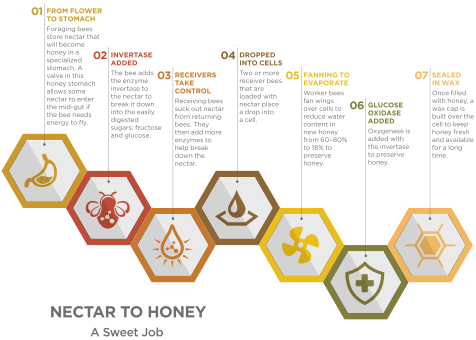
It all begins with the hardworking honeybees as they forage for nectar. Bees visit flowers, collecting nectar as their primary source of food. Nectar is a sugary liquid secreted by flowers as a lure for pollinators. Bees use their long, tube-like tongues called proboscises to suck up the nectar from the flower. They store the collected nectar in their specialized honey stomachs, separate from their regular stomachs, to carry it back to the hive.
Once back at the hive, bees pass the collected nectar from mouth to mouth, known as regurgitation, during which enzymes are added to break down the complex sugars in the nectar into simpler sugars. Bees also fan their wings to reduce the moisture content of the nectar. This process transforms the nectar into a substance called honey, which is then stored in honeycomb cells within the hive.
The journey of nectar from flower to hive is not only vital for the survival of honeybees but also plays a crucial role in the pollination of plants, ensuring the continuation of various ecosystems.
2. Honey Production in the Hive
Within the honeycomb cells, the bees continue their work to transform the nectar into honey. They seal the honeycomb cells with beeswax to protect the precious honey from outside contaminants. The bees use their wings to create airflow within the hive, helping to evaporate any remaining water content in the honey. This dehydration process lowers the water content to around 18%, making honey inhospitable for bacteria and other microorganisms to grow.
As the water content decreases, the viscosity of the honey increases, resulting in the thick, viscous consistency we are familiar with. The chemical composition of honey is mainly sugars, including glucose and fructose, but it also contains trace amounts of vitamins, minerals, antioxidants, and enzymes. This complex composition gives honey its unique flavor, color, and nutritional properties.
Once the honey is deemed ready by the bees, they seal the honeycomb cells with a final layer of beeswax, preserving the honey until it is needed as a food source or harvested by beekeepers.
3. Harvesting and Processing Honey
When beekeepers harvest honey, they carefully remove the beeswax seals from the honeycomb cells. The honeycomb frames are then placed in a centrifugal extractor, which uses centrifugal force to spin the frames and extract honey without damaging the delicate comb. The extracted honey is then passed through a series of mesh filters to remove any impurities such as beeswax, pollen, or other debris.
The processed honey is then stored in containers, ready to be enjoyed by consumers around the world. Depending on the processing methods, honey may be classified as raw, filtered, or pasteurized. Raw honey is unprocessed and retains all the natural enzymes, antioxidants, and health-promoting properties. Filtered honey has had impurities and particles removed, while pasteurized honey has been heated to kill any potential bacteria or yeast.
It is important to note that while honey is a natural sweetener, it should be consumed in moderation due to its high sugar content. However, its health benefits, such as wound healing properties, soothing effects on sore throats, and potential allergy relief, make it a popular choice among natural remedies enthusiasts.
The Health Benefits of Honey
Honey has been used for centuries for its medicinal properties. Here are some notable health benefits of honey:
1. Antibacterial and Wound Healing
Honey possesses antimicrobial properties that can help prevent infection and promote wound healing. It creates an unfavorable environment for bacteria to grow and produces hydrogen peroxide, a natural antiseptic.
Research has shown that honey can be effective in treating minor burns, cuts, and ulcers. Its ability to reduce inflammation and provide a protective barrier aids in the healing process.
Caution should be exercised when using honey on open wounds, as it is important to consult a medical professional for proper wound care.
2. Soothes Coughs and Sore Throats
The thick, syrupy consistency of honey coats the throat, providing relief from irritation and coughing. It can help reduce cough frequency and severity, making it a natural alternative to over-the-counter cough medicines.
Simply mix a spoonful of honey with warm water or herbal tea to soothe a sore throat and alleviate cough symptoms. However, honey should not be given to children under the age of one due to the risk of botulism.
3. Potential Allergy Relief
Some people believe that consuming local, raw honey can help alleviate seasonal allergies. The theory is that by ingesting small amounts of local pollen found in honey, the body may become desensitized to the allergens, reducing the severity of allergic reactions.
While research on this topic is limited, some individuals report relief from allergy symptoms after regularly consuming local honey. However, it is important to consult a healthcare professional for appropriate treatment if you suffer from allergies.
Choosing the Best Honey
When selecting honey, there are a few factors to consider:
1. Raw Honey
Raw honey is minimally processed, retaining all the natural nutrients and enzymes. It is considered the best choice for health benefits. Look for labels that indicate “raw” or “unfiltered.”
2. Source of Honey
The source of the honey can affect its flavor and potential health benefits. Different floral sources produce honey with unique flavors and characteristics. Varieties like Manuka honey have gained popularity for their purported additional health benefits.
3. Quality and Purity
Ensure the honey you purchase is of high quality and free from additives or contaminants. Look for reputable brands and check for certifications or testing that verify the purity of the honey.
Summary
The science behind honey is a remarkable process that involves the hard work of bees and the transformation of nectar into a sweet and nutritious substance. From its journey from flower to hive to the harvesting and processing by beekeepers, honey is a complex and natural product loved by many. Its health benefits, including wound healing properties, cough relief, and potential allergy relief, make it a versatile and valuable addition to our lives, as long as it is consumed in moderation. So the next time you enjoy a spoonful of honey, take a moment to appreciate the incredible journey it took to reach your table.
Key Takeaways: The Science Behind Honey
- Honey is made by bees collecting nectar from flowers and bringing it back to their hive.
- Bees add enzymes to the nectar, which break down sucrose into glucose and fructose.
- Water in the nectar evaporates during the bees’ fanning process, resulting in the thick consistency of honey.
- Honey contains antioxidants, vitamins, and minerals that make it a healthier alternative to refined sugar.
- The composition of honey can vary depending on the type of flower the bees collected nectar from.
Frequently Asked Questions
Curious about the science behind honey? Look no further! We’ve gathered answers to some common questions about how honey is made, from the nectar to the sweet gold we all love.
1. How is honey made?
Honey is made by honeybees through a fascinating process. It starts with bees collecting nectar from flowers, which they store in their honey stomachs (separate from their regular stomachs). As the bees travel back to the hive, enzymes in their stomachs break down the complex sugars in the nectar into simple sugars.
Once back in the hive, the bees pass the processed nectar to other worker bees through regurgitation. These bees continue to break down the nectar and release moisture from it by fanning their wings. The end result is honey, which is then stored in honeycomb cells for future use.
2. Why do bees make honey?
Bees make honey as a food source to sustain the colony, especially during winter when flowers are scarce. Honey is a concentrated energy source, packed with nutrients, antioxidants, and enzymes. It serves as food for the entire bee community, including the queen, worker bees, and larvae.
Interestingly, bees produce more honey than they need, which allows humans to harvest the excess while leaving enough for the bees to survive. This mutually beneficial relationship between humans and bees goes back thousands of years.
3. What gives honey its different flavors?
The flavors of honey can vary depending on the types of flowers from which the bees collect nectar. Each flower has a unique combination of sugars, minerals, and organic compounds, which contribute to the distinct taste and aroma of the resulting honey.
As bees gather nectar from different flowers, they incorporate these floral characteristics into the honey. For example, honey made from lavender flowers will have a delicate floral flavor, while honey from citrus blossoms will have a zesty and tangy taste.
4. How do bees turn nectar into honey?
When bees return to the hive with nectar, they transfer it to other worker bees through a process called trophallaxis. During the trophallactic exchange, several enzymes are added to the nectar from the bees’ glands. These enzymes, such as invertase and glucose oxidase, break down complex sugars into simpler sugars like glucose and fructose, making the nectar easier to digest.
Additionally, bees reduce the water content in the nectar by fanning their wings, contributing to the thick and viscous consistency of honey. The enzymes and moisture reduction help preserve honey and inhibit the growth of bacteria and other microorganisms.
5. Can honey spoil?
Unlike many other foods, honey has an incredibly long shelf life due to its acidic pH and low water content. These factors create an inhospitable environment for bacteria and other microorganisms to survive and proliferate.
However, if honey comes into contact with water or is exposed to high temperatures, the stability can be compromised. The moisture can dilute the honey, making it susceptible to fermentation, while heat can lead to the breakdown of its beneficial enzymes and antioxidants. Proper storage in a cool, dry place is crucial to maintain the quality and shelf life of honey.
Sweet Secrets Unveiled: The Science Behind Eternal Honey (Fascinating Fact)
Summary
Honey starts with bees collecting nectar from flowers, which they turn into sweet, sticky honey. Bees store the honey in hexagon-shaped wax cells, preserving it for later. Honey has antibacterial properties that can help heal wounds and soothe sore throats. It also contains essential vitamins and minerals that are good for our bodies. Be sure to thank the hardworking bees for this delicious and beneficial treat!
 BeekeepingNET
Leave a comment