What is the process of honey extraction? If you’ve ever wondered how that sweet nectar ends up in your pantry, you’re in for a sticky treat! In this article, we’ll dive into the fascinating world of honey extraction and explore the step-by-step process that beekeepers use to harvest this golden liquid.
First, picture yourself in a field filled with buzzing bees, going about their busy work of collecting nectar from flowers. These incredible insects gather the nectar in their honey stomachs, mixing it with enzymes that transform it into honey. Back at the hive, the bees deposit the honey into the wax cells of the honeycomb, creating a delectable storage facility.
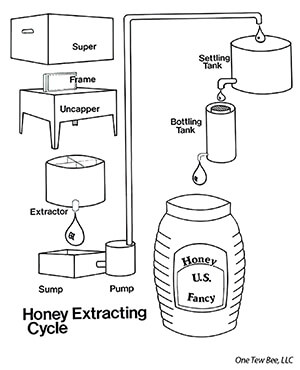
Now, here’s where the honey extraction adventure begins. Beekeepers carefully remove the honey-filled frames from the beehives. They then use a special tool to scrape off the wax caps that seal each cell. Once the caps are removed, the frames are placed in an extractor—a spinning device that uses centrifugal force to extract the honey. As the frames whirl around, the honey is flung out of the cells and collected at the bottom of the extractor, ready to be harvested.
So, are you ready to embark on a journey into the world of honey extraction? Grab your beekeeping suit, and let’s explore the mesmerizing process of turning the goodness of nature’s flowers into the sticky, sweet delight we call honey. Get ready to learn all about the intricate steps that take place behind the scenes, bringing this liquid gold to your table. Let’s buzz on!
What is the Process of Honey Extraction?
The process of honey extraction involves a series of steps that transform raw honeycomb into the delicious and versatile ingredient we all know and love. From harvesting the honeycomb to extracting the honey and filtering it for purity, each stage requires care and attention to ensure the highest quality product. In this article, we will delve into the details of honey extraction, exploring the various techniques and equipment used, as well as the benefits of this fascinating process.
Step 1: Harvesting the Honeycomb
Harvesting the honeycomb is the first step in the honey extraction process. Beekeepers carefully inspect the hive to determine the readiness of the honeycomb for extraction. They look for frames that are filled with capped honey cells, indicating that the honey is fully matured and ready to be harvested. Once identified, these frames are carefully removed from the hive, ensuring minimal disruption to the bees.
The harvested frames are then transported to the honey extraction area. It’s important to handle them with care to avoid damaging the delicate honeycomb and to minimize any disturbance to the bees. Beekeepers often use smoke to calm the bees and prevent them from becoming agitated during the harvesting process.
Step 2: Uncapping the Honeycomb
Once the frames are transported to the extraction area, the next step is to uncap the honeycomb. Uncapping involves removing the layer of beeswax that seals each honey cell, allowing access to the golden liquid inside. There are various methods for uncapping, including using a hot knife or uncapping fork. The chosen method depends on the scale of the operation and the equipment available.
After the honeycomb is uncapped, the frames are ready for extraction. It’s important to note that the beeswax removed during this process is not wasted. Beekeepers often collect it and use it for other purposes, such as making beeswax candles or cosmetic products.
Step 3: Honey Extraction
Honey extraction is the process of separating the honey from the honeycomb. There are different methods of extraction, including manual extraction and the use of mechanical extractors. In manual extraction, beekeepers use a handheld tool, such as a honey fork or extractor, to scrape the honeycomb and release the honey. This method is typically used for small-scale operations.
Mechanical extractors, on the other hand, are commonly used for large-scale honey extraction. These devices spin the frames rapidly, using centrifugal force to extract the honey. As the frames spin, the honey is forced out of the cells and collected at the bottom of the extractor. Once the honey is extracted, it can be transferred to containers for further processing and packaging.
Benefits of Honey Extraction
Honey extraction offers several benefits both for beekeepers and consumers. For beekeepers, the process allows them to harvest the surplus honey produced by their bees while leaving enough for the colony’s sustenance. It also provides an opportunity to inspect the health of the hive and ensure the well-being of the bees.
For consumers, honey extraction ensures the availability of high-quality, pure honey. By removing the honeycomb and filtering the honey, beekeepers can eliminate impurities and ensure a consistent product. Moreover, the extraction process helps in the preservation of honey, extending its shelf life and maintaining its freshness.
Honey Extraction Techniques and Equipment
There are various techniques and equipment used in honey extraction, depending on the scale of the operation and the resources available. Some of the commonly used techniques include:
– Manual Extraction: In small-scale operations, beekeepers use handheld tools like honey forks or extractors to scrape the honeycomb and release the honey.
– Mechanical Extraction: Large-scale operations often employ mechanical extractors that use centrifugal force to extract honey from the frames.
– Crush and Strain Method: This technique involves crushing the honeycomb to release the honey, followed by straining it to remove any impurities.
– Honey Press: A honey press is used to extract honey from crushed honeycomb by applying pressure and separating the honey from the beeswax.
Honey extraction equipment includes uncapping tools (such as hot knives or uncapping forks), extractors, honey tanks, filters, and storage containers. Each piece of equipment plays a crucial role in the extraction process, ensuring the efficiency and quality of the final product.
Tips for Successful Honey Extraction
To achieve successful honey extraction, it’s essential to keep a few tips in mind:
1. Maintain Proper Hive Management: Regular hive inspections and maintenance help ensure healthy and productive colonies, ultimately leading to a successful honey extraction.
2. Harvest at the Right Time: Harvest honey when the honeycomb is fully capped, indicating that the honey is mature and ready for extraction.
3. Handle Frames with Care: When harvesting frames, handle them gently to avoid damaging the honeycomb and disturbing the bees.
4. Prioritize Honeycomb Hygiene: Keep the frames and extraction equipment clean to prevent the introduction of impurities into the honey.
5. Filter Honey for Purity: Use fine filters or sieves to remove any remaining impurities from the extracted honey, ensuring a smooth and pure product.
In conclusion, the process of honey extraction involves careful harvesting, uncapping, and extraction to transform honeycomb into the delectable honey we all enjoy. The techniques and equipment used vary depending on the scale of the operation, but the goal remains the same: to produce high-quality honey that is pure and free of impurities. By following best practices and adhering to proper hive management, beekeepers can ensure a successful honey extraction while maintaining the health and well-being of their bees.
Key Takeaways: What is the process of honey extraction?
- Honey extraction is the process of taking honey from beehives.
- The process begins by removing honey supers from the beehive.
- The honey supers contain the honey-filled frames.
- The frames are uncapped to expose the honey.
- The uncapped frames are then placed in a honey extractor.
Frequently Asked Questions
Welcome to our FAQ section where we will answer some common questions about the process of honey extraction. Get ready to learn all about how honey goes from the hive to your table!
1. How is honey extracted from beehives?
Honey extraction begins with the beekeeper first removing the honey super, which is the part of the beehive where honey is stored. The frames within the honey super are carefully removed, and a special tool called a bee brush is used to gently brush off any bees still attached.
Once the frames are bee-free, they are taken to a honey house or processing area where beekeepers use various methods to extract the honey. The most common technique involves using an uncapping knife to remove the thin layer of wax that seals the honeycombs. Then, the frames are placed in an extractor that uses centrifugal force to spin the honey out of the comb. The honey is collected and strained to remove any impurities before it is ready for consumption.
2. Are any bees harmed during the honey extraction process?
No, beekeepers strive to minimize harm to bees during the honey extraction process. The use of the bee brush allows them to gently remove bees from the frames without injuring them. Additionally, beekeepers usually perform honey extraction when most of the bees are out foraging, which further reduces the chances of harming them.
It’s important to remember that honeybees are a crucial part of our ecosystem and beekeepers understand the importance of their well-being. They go to great lengths to ensure the safety and health of the bees throughout the honey extraction process.
3. What happens to the bees after honey extraction?
After honey extraction, the frames are returned to the beehive for the bees to clean and refill with honey. The bees will remove any remaining honey and seal the cells with wax for future use. Beekeepers ensure that enough honey is left in the hive for the bees to eat and sustain themselves through the colder months.
Additionally, beekeepers may take other measures to care for the bees, such as monitoring health, providing supplemental food, and addressing any potential pest or disease issues. It is crucial for beekeepers to maintain healthy and thriving bee colonies for the overall well-being of the bees and the production of honey.
4. How long does the honey extraction process take?
The duration of the honey extraction process depends on various factors, including the size of the honey super and the extraction method used. It can take anywhere from a few hours to a full day to complete the process for a single hive.
The time required also depends on the efficiency of the equipment being used and the experience of the beekeeper. Some beekeepers may prefer to extract honey in smaller batches to ensure high-quality extraction, while others may have larger-scale operations that allow for faster extraction.
5. Can I extract honey at home or do I need professional equipment?
While it is possible to extract honey at home, it does require specialized equipment. The main piece of equipment needed is an extractor, which can be quite expensive to purchase. However, some local beekeeping associations or clubs may rent out extractors to their members.
Additionally, proper knowledge and skills are necessary to ensure a successful honey extraction process. Beekeepers must know how to handle bees, safely operate equipment, and maintain hygiene standards to avoid contamination. Seeking guidance from experienced beekeepers or attending beekeeping classes can help in mastering the art of honey extraction at home.
Harvesting Honey | How to harvest honey from a beehive
Summary
So, the process of honey extraction is pretty cool and straightforward. First, beekeepers remove the honey-filled frames from the hives. Then, they use special tools, like a bee brush and a bee escape, to separate the bees from the frames. Next, the frames are placed in an extractor, which uses centrifugal force to spin out the honey. Finally, the honey is filtered, bottled, and ready to be enjoyed!
In summary, honey extraction involves taking out the honey-filled frames, removing the bees, spinning out the honey, and filtering it before bottling. It’s an amazing process that gives us the sweet and delicious honey we all love!
 BeekeepingNET
Leave a comment